What Does a DOL Doctor Do in Federal Work Comp Cases?
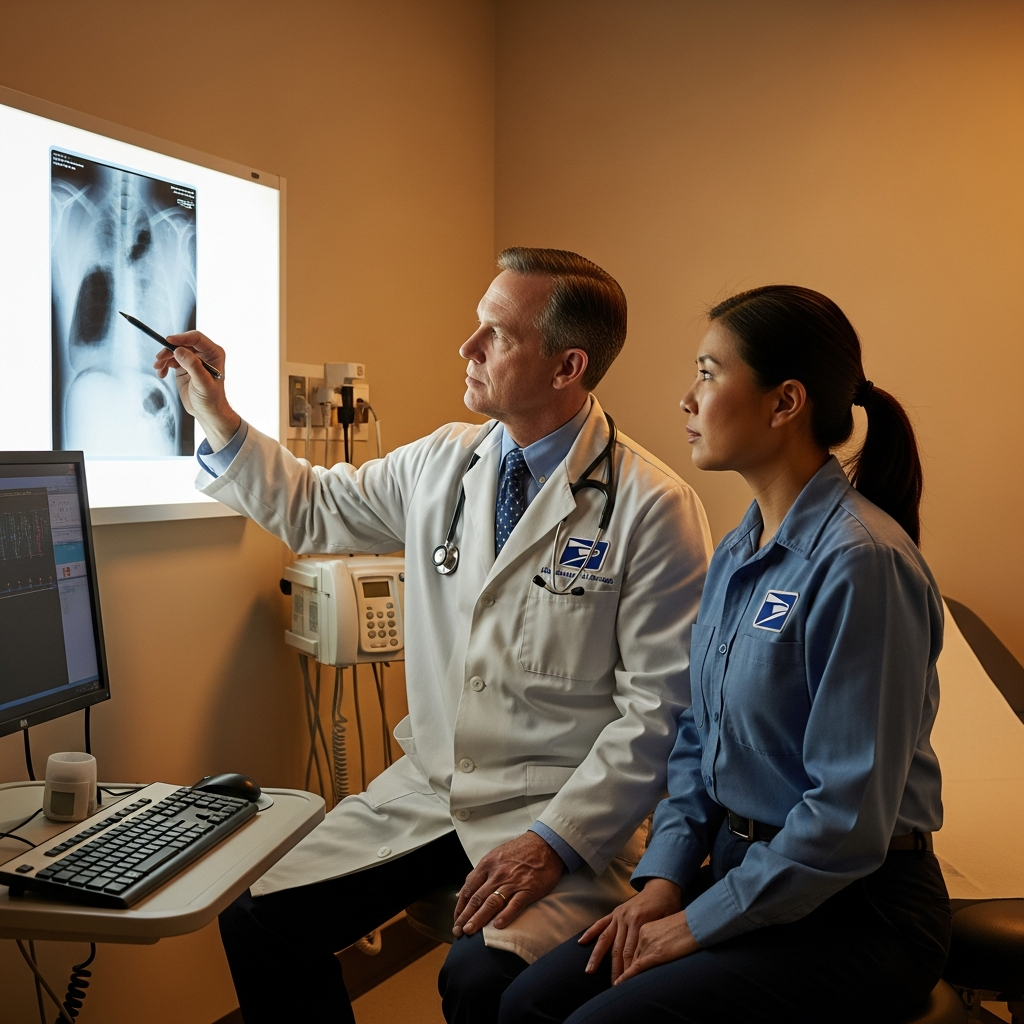
You’re sitting in your supervisor’s office, and the words hit you like a freight train: “We need you to see a DOL doctor.” Your mind starts racing – *What does that even mean? Is this good or bad? Am I in trouble?* You nod and smile, but inside you’re thinking, “Great, another medical acronym I don’t understand.”
If you’ve been injured at work as a federal employee, this scenario might sound familiar. Or maybe you’re still in that confusing limbo where workers’ comp forms are piling up on your kitchen table, and everyone keeps throwing around terms like “DOL” and “independent medical exam” without really explaining what any of it means.
Here’s the thing – and I wish someone had told me this years ago when I first started helping people navigate federal workers’ compensation – the DOL doctor appointment is actually one of the most important steps in your entire case. But nobody explains it properly. Your HR department hands you a slip of paper with an address and says “be there at 2 PM on Thursday.” Your case manager mentions it in passing. Even your own doctor might shrug and say, “Well, it’s just part of the process.”
*Just part of the process.* Right. Like getting your wisdom teeth pulled is “just part of growing up.”
The truth is, what happens in that DOL doctor’s office can literally determine whether you get the medical treatment you need, whether you’ll be cleared to return to work, and – here’s the big one – whether your workers’ comp benefits continue or suddenly stop. No pressure, right?
I’ve seen too many federal employees walk into these appointments completely unprepared, not understanding what’s about to happen or why it matters so much. They think it’s just another doctor’s visit… until they get a letter two weeks later saying their claim has been denied or their benefits are being reduced. Then the panic sets in.
But here’s what’s frustrating – it doesn’t have to be this mysterious. Once you understand what a DOL doctor actually does (spoiler alert: they’re not working for *you* the way your regular doctor is), how these exams typically go, and what you can do to protect yourself, the whole thing becomes much less intimidating.
Think of it like this: if you were going to court, you’d want to know who the judge was, what they were looking for, and how to present your case effectively, right? This is similar – except instead of a courtroom, it’s a medical office, and instead of legal arguments, we’re talking about your health and your livelihood.
The Department of Labor uses these doctors – officially called “second opinion physicians” or sometimes “impartial medical examiners” – as a way to get an independent assessment of your condition. Sounds reasonable enough. But the reality is more complicated than that, and the stakes are higher than most people realize.
Over the next few minutes, we’re going to break down exactly what these doctors do, why the DOL relies on them so heavily, and what you can expect during your appointment. We’ll talk about the difference between a DOL doctor and your treating physician (it’s bigger than you might think), and I’ll share some real-world insights about how these exams actually work in practice.
More importantly, we’ll cover how to prepare for your appointment – because yes, preparation matters *a lot* – and what red flags to watch out for. I’ll also explain what happens after your exam, how long you’ll wait for results, and what those results actually mean for your case.
Look, I get it. You didn’t ask to become an expert in federal workers’ compensation. You just want to get better and get back to your life. But unfortunately, understanding this system isn’t optional if you want to protect yourself and get the benefits you’re entitled to.
The good news? Once you know what you’re dealing with, it’s not nearly as scary. And you’ll walk into that appointment feeling confident instead of confused. Trust me – that makes all the difference in the world.
The Federal Workers’ Comp Web – And Why DOL Doctors Matter
You know how regular workers’ compensation feels complicated? Well, federal workers’ comp is like that… but with extra layers of bureaucracy and a completely different rulebook. When a federal employee gets hurt on the job – whether it’s a postal worker with a back injury or a park ranger who took a bad fall – they don’t just file a claim with their state. They’re dealing with the Federal Employees’ Compensation Act (FECA), which is run by the Department of Labor’s Office of Workers’ Compensation Programs.
Think of it this way: if state workers’ comp is like going to your local DMV, federal workers’ comp is like… well, dealing with the IRS. More forms, more hoops, and definitely more waiting around.
The DOL doesn’t just hand out benefits because someone says they’re hurt, though. They need medical proof – solid, undeniable evidence that yes, this injury happened at work, and yes, it’s as serious as the employee claims. That’s where DOL doctors come in, and honestly? Their role is more crucial (and more complex) than most people realize.
What Makes a DOL Doctor Different From Your Regular Doc
Here’s where things get interesting – and maybe a little confusing. A DOL doctor isn’t actually employed by the Department of Labor. They’re independent physicians who’ve agreed to perform medical evaluations for federal workers’ comp cases. It’s like being a contractor, but instead of fixing someone’s kitchen, you’re evaluating their rotator cuff.
These doctors have to meet specific qualifications and follow strict DOL guidelines. They can’t just wing it or rely on their usual bedside manner. Everything has to be documented according to federal standards, which means… lots of paperwork. Think of them as medical translators who speak both “doctor” and “bureaucrat” fluently.
But here’s the thing that trips up a lot of people – DOL doctors aren’t necessarily advocates for the injured worker. They’re not trying to help someone get benefits, and they’re not trying to deny them either. Their job is to provide objective medical opinions based on the evidence. It’s like being a medical referee in a game where the stakes are someone’s livelihood and financial security.
The Independent Medical Examination – Not Exactly Your Annual Checkup
When the DOL orders an Independent Medical Examination (IME), it’s usually because there’s some question about the worker’s condition. Maybe their regular doctor says they can’t return to work, but the DOL needs a second opinion. Or perhaps there’s a dispute about whether the injury is really work-related – you’d be surprised how often this comes up.
The IME isn’t like your typical doctor’s appointment where you chat about your symptoms and leave with a prescription. These evaluations are thorough, methodical, and… well, kind of intense. The doctor will review all your medical records, examine you physically, and sometimes order additional tests. They’re looking for objective evidence – things they can measure, document, and defend in what might eventually become a legal proceeding.
Actually, that reminds me of something important – these examinations can feel pretty impersonal. The doctor might seem distant or clinical compared to your regular physician. That’s not because they don’t care; it’s because they’re maintaining professional objectivity. They can’t let personal feelings influence their medical opinions.
The Ripple Effect of DOL Medical Opinions
When a DOL doctor submits their report, it doesn’t just disappear into some filing cabinet. These medical opinions carry serious weight in determining whether benefits continue, whether someone can return to work, or whether additional treatment gets approved. We’re talking about decisions that can literally change the course of someone’s life.
The tricky part? Sometimes these medical opinions conflict with what the injured worker’s treating physician has said. Imagine your family doctor says you need six more months of physical therapy, but the DOL doctor concludes you’re ready to go back to work next week. Suddenly you’re caught in the middle of a medical disagreement where the stakes couldn’t be higher.
This is where federal workers’ comp gets particularly challenging – and frankly, sometimes frustrating for everyone involved. The system is designed to be objective and evidence-based, which sounds great in theory. But when you’re the person dealing with chronic pain that doesn’t show up clearly on an X-ray… well, let’s just say the system isn’t always as straightforward as it appears on paper.
Finding the Right DOL Doctor – Your Strategic Advantage
Here’s something most people don’t realize: not all doctors are created equal when it comes to federal workers’ compensation. You want someone who actually understands the OWCP system – and trust me, that’s rarer than you’d think.
Start by asking potential doctors directly: “How many federal workers’ comp cases do you handle monthly?” If they pause or give you a vague answer, keep looking. The doctors who know this system will have specific numbers ready. They’ll mention Form CA-20s without you having to explain what those are.
Your regional OWCP office keeps a list of approved physicians, but here’s the insider tip – just because they’re on the list doesn’t mean they’re good at this specialized work. Call their office and ask the staff: “Does Dr. Smith regularly handle DOL cases?” The receptionist’s enthusiasm (or lack thereof) will tell you everything.
Preparing for Your DOL Doctor Visit – Make Every Minute Count
You get one shot to tell your story properly, so don’t wing it. Create a timeline – not just when symptoms started, but when they got worse, what treatments you’ve tried, how your daily life has changed.
Write down your worst days. I’m serious about this one. We tend to minimize our pain when we’re sitting in a doctor’s office feeling relatively okay. Note specific examples: “Can’t lift my coffee mug in the morning,” or “Had to stop halfway up the stairs three times last week.”
Bring a complete medication list – not just prescriptions, but over-the-counter stuff too. That ibuprofen you’re popping every four hours? That matters. It shows you’re managing constant pain.
And here’s something people forget: bring someone with you if possible. A spouse or family member can advocate for you if you’re having a rough day or forgetting important details. They’ve watched you struggle – they can speak to that.
What to Expect During the Examination
DOL doctors approach examinations differently than your regular physician. They’re not just looking at your injury – they’re evaluating your entire work capacity. This means they’ll test things that might seem unrelated to your specific problem.
Don’t be surprised if they spend significant time on functional capacity. They might ask you to demonstrate movements, walk a certain distance, or perform tasks that simulate work activities. This isn’t busy work – they’re building a picture of what you can and can’t do on the job.
Be honest about your limitations, but don’t oversell your symptoms either. These doctors have seen it all. If you normally walk with a cane, bring it. If you can lift 10 pounds but not 20, say exactly that. Specificity builds credibility.
Maximizing Your OWCP Benefits Through Proper Documentation
Your DOL doctor’s reports can make or break your claim – literally. Here’s what you need to understand: OWCP doesn’t just want to know you’re injured. They want to know how that injury prevents you from doing your specific job.
Before your appointment, get a detailed job description from your supervisor or HR department. Not the generic one from your position announcement – the real one that lists what you actually do every day. Does your job require standing for long periods? Lifting? Computer work? Make sure your doctor understands these requirements.
If you’re dealing with restrictions, push for specifics in the medical report. “Light duty” means nothing to OWCP. “No lifting over 15 pounds, no prolonged standing beyond 30 minutes, frequent breaks for positional changes” – that’s actionable information.
Working With Your Doctor Long-Term
Your relationship with your DOL doctor isn’t a one-and-done situation. You’ll likely need periodic updates, especially if your condition changes or if OWCP requests additional evaluations.
Keep your doctor informed about any new symptoms or changes in your condition. Send updates between visits if necessary. A simple email or phone call saying “My condition has worsened since our last appointment” can prompt additional documentation that strengthens your case.
Don’t be afraid to ask your doctor to clarify their reports if something seems wrong. You have the right to understand what’s being said about your condition… and more importantly, what’s being communicated to OWCP about your ability to work.
Remember, a good DOL doctor becomes your ally in navigating this complex system. They understand that their medical opinion directly impacts your financial future – and the best ones take that responsibility seriously.
The Paperwork Nightmare (And How to Survive It)
Let’s be honest – dealing with a DOL doctor feels like you’re drowning in forms, and everyone’s speaking a different language. You’ve got your CA-16 authorization form, medical reports that need to follow specific formats, and deadlines that seem designed to trip you up.
The biggest mistake people make? Assuming their regular doctor understands the federal workers’ comp system. They don’t. It’s not their fault – they went to medical school, not DOL bureaucracy school. Your family physician might write “patient reports pain” when what you actually need is detailed functional capacity assessments and specific work restrictions.
Here’s what actually works: bring a printed list of your work duties to every appointment. Not just “office work” – we’re talking specifics. Do you lift boxes? How heavy? Stand for long periods? Type for hours? The DOL doctor needs to understand exactly what your job demands to write meaningful restrictions.
When Your DOL Doctor Seems to Be Working Against You
This one stings because it happens more often than it should. You walk into an appointment feeling hopeful, only to leave feeling like the doctor barely listened or – worse – seemed skeptical of your pain.
Sometimes it’s not personal bias (though that exists too). Sometimes it’s systemic pressure. These doctors know that being too generous with restrictions or treatment recommendations can put them under scrutiny from the Department of Labor. They’re walking a tightrope between helping you and protecting their own ability to continue treating federal workers.
What can you do? Document everything. Keep a pain journal – not just “I hurt today” but specific details. What makes it worse? What helps? How does it affect your sleep, your mood, your ability to focus at work? Objective measurements matter too. If you can only walk two blocks before the pain flares, time yourself. If sitting aggravates your condition, note how long you can sit before you need to change positions.
The Second Opinion Maze
Getting a second opinion in the federal system isn’t like switching doctors when you don’t like your dermatologist. You need DOL approval, and they’re not exactly enthusiastic about rubber-stamping requests for additional medical opinions.
The trick is making a compelling case in your written request. Don’t just say “I want a different doctor because this one doesn’t believe me.” Instead, focus on medical necessity. Maybe your condition isn’t improving with current treatment, or perhaps you need a specialist that the current doctor isn’t. Frame it around getting the best medical care to return you to work – that’s language the DOL understands.
Actually, that reminds me… timing matters here. Don’t wait until you’re completely frustrated to request a change. If you’re not seeing progress or feeling heard after 2-3 visits, start the process. These requests can take weeks to process.
When Treatment Gets Denied or Delayed
This is where people get really stuck – and really angry. You need an MRI, physical therapy, or surgery, and you’re told it’s not “medically necessary” or it needs more documentation. Meanwhile, you’re still in pain and still can’t do your job properly.
The appeals process exists for a reason, but most people don’t use it effectively. They write emotional letters about how much they’re suffering (which is valid but not persuasive to bureaucrats). Instead, focus on functional impact and medical evidence. Get your doctor to explain why the recommended treatment is likely to improve your ability to work. Connect the dots between the treatment and your job requirements.
Communication Breakdown Between You and Everyone Else
Here’s something nobody tells you: half the problems in workers’ comp cases come from poor communication, not medical issues. Your employer doesn’t understand what your restrictions mean. Your doctor doesn’t understand your job demands. Your claims examiner doesn’t understand… well, anything helpful.
You become the translator. Create a simple document that explains your job in terms a doctor can understand, and your medical restrictions in terms your supervisor can work with. If your doctor says “no lifting over 10 pounds,” spell out what that means for your specific duties. Can you still carry your laptop bag? Move office supplies? Operate that heavy copier?
The Mental Health Elephant in the Room
Physical injuries are hard enough, but when you add anxiety, depression, or PTSD from a workplace incident, everything gets more complicated. Mental health treatment through workers’ comp faces extra scrutiny, longer approval processes, and – let’s face it – lingering stigma.
Don’t minimize these symptoms or try to tough it out. Document them just as carefully as physical symptoms. How is your sleep affected? Your concentration? Your relationships? The sooner you address mental health impacts, the better your overall recovery tends to be.
The system isn’t perfect, but understanding how it actually works – instead of how it should work – gives you a much better chance of getting the care you need.
What to Expect During Your DOL Medical Evaluation
Let’s be honest – you’re probably feeling anxious about this whole process. That’s completely normal. Most people don’t know what to expect when they’re scheduled for a Department of Labor medical examination, and the unknown can feel pretty overwhelming.
Here’s the thing: DOL doctors aren’t trying to catch you in a lie or minimize your injuries. They’re there to provide an objective medical opinion about your condition and how it relates to your work injury. Think of them as… well, medical detectives. They’re gathering clues to paint a complete picture of your health status.
The evaluation itself usually takes anywhere from 30 minutes to two hours, depending on your specific case. The doctor will review your medical records (they’ll have received these beforehand), ask detailed questions about your injury and symptoms, and perform a physical examination. They might test your range of motion, check reflexes, assess strength – basically, they’re doing what any thorough doctor would do.
One thing that surprises people? These doctors often spend more time with you than your regular physicians do. They’re not rushing to see the next patient every fifteen minutes. They actually have the luxury of being thorough, which can be refreshing if you’re used to feeling rushed through appointments.
The Waiting Game (And Yes, It’s Frustrating)
After your evaluation, the waiting begins. And honestly? It can feel eternal.
The DOL doctor typically has 30 days to submit their report to the Department of Labor. But – and this is important – that doesn’t mean you’ll hear anything in 30 days. The claims examiner then needs time to review the report, possibly request additional information, and make decisions about your benefits.
From the time of your examination to receiving a decision on your claim, you’re looking at anywhere from 6-12 weeks on average. Sometimes longer if there are complications or if additional evaluations are needed. I know that’s not what you want to hear when you’re dealing with pain and potentially lost wages, but it’s the reality of the federal system.
During this waiting period, try to keep detailed notes about your symptoms. If something significant changes with your condition, make sure your treating physician documents it. This information could become relevant later.
After the Report: What Happens Next?
Once the DOL receives the independent medical examination report, a few things could happen. The claims examiner might accept the doctor’s findings and approve your treatment or compensation. They might request additional information. Or – and this is where things can get tricky – they might deny benefits based on the report’s conclusions.
If the report supports your claim, great! Your benefits should continue or begin, and you’ll have official documentation of your work-related condition. But if the report raises questions about the relationship between your injury and work, or suggests your condition isn’t as limiting as previously thought… well, that’s when you might need to consider your options.
This is actually where having your own treating physician’s documentation becomes crucial. The DOL doctor provides a snapshot of your condition on one particular day. Your regular doctor has been tracking your progress (or lack thereof) over time. Both perspectives matter.
Preparing for Potential Complications
Sometimes – actually, more often than we’d like – the DOL doctor’s opinion conflicts with your treating physician’s assessment. This creates what’s essentially a medical disagreement that the Department of Labor has to sort out.
If this happens, don’t panic. It doesn’t automatically mean your claim will be denied. The claims examiner weighs multiple factors: the quality of documentation, the doctors’ credentials and specialties, how well each opinion is supported by objective findings, and the consistency with your reported symptoms.
You might find yourself needing a second opinion or additional testing. Sometimes the Department of Labor will request what’s called a “referee examination” – essentially bringing in a third doctor to break the tie.
Moving Forward: Your Role in the Process
Here’s what you can do while waiting: stay engaged with your treatment, keep detailed records of your symptoms and limitations, and maintain open communication with your treating physician. If you’re working with an attorney, now’s the time to lean on their expertise.
Remember, this evaluation is just one piece of your overall claim. It’s important, yes, but it’s not necessarily the final word on your case. The federal workers’ compensation system, while sometimes frustratingly slow, is designed to ensure injured workers receive the care and compensation they need.
The key is staying patient (easier said than done) and staying informed about your rights throughout the process.
You know, federal work comp cases can feel like you’re trying to solve a puzzle where half the pieces are missing – and someone keeps changing the rules while you’re working on it. But here’s the thing: you don’t have to figure it out alone.
Understanding what these DOL-appointed doctors actually do… well, it’s just one piece of a much bigger picture. They’re there to provide that independent medical opinion the Department of Labor needs to make fair decisions about your case. Sometimes their findings align perfectly with what you and your treating physician have been saying all along. Other times? Not so much. And that’s when things can get complicated.
When the System Feels Overwhelming
I’ve talked with so many federal employees who feel completely lost in this process. One day you’re doing your job, the next you’re dealing with an injury that changes everything – and suddenly you’re thrust into this world of medical evaluations, paperwork, and acronyms you’ve never heard before. It’s exhausting, honestly.
But remember – you earned these benefits. You’re not asking for a handout or trying to game the system. You got hurt while serving your country, whether that was processing tax returns, inspecting food safety, or managing national parks. Your injury matters, your pain is real, and you deserve proper care.
The DOL doctor’s examination might feel impersonal… because, well, it kind of is. They’re not there to be your advocate or provide ongoing care. They’re gathering information for a specific purpose. That doesn’t mean their findings are the final word on your condition, though. There are appeals processes, second opinions, and other paths forward if you disagree with their assessment.
You’re Not Walking This Path Alone
What strikes me most about federal work comp cases is how isolating they can feel. Your colleagues might not understand what you’re going through. Your family wants to help but doesn’t know how. And navigating the OWCP system… let’s just say it wasn’t designed with user-friendliness in mind.
The truth is, having the right support makes all the difference. Whether that’s understanding what questions to ask during your DOL examination, knowing how to prepare for the appointment, or figuring out what to do if you disagree with the doctor’s findings – these details matter enormously in your case.
Getting the Help You Need
If you’re feeling stuck, confused, or frustrated with your federal work comp case, you don’t have to stay that way. We work with federal employees navigating these exact challenges every single day. We understand the system, we know the players, and honestly? We’ve seen just about every scenario you could imagine.
Sometimes all it takes is a conversation with someone who actually gets it – who can explain what’s happening in plain English and help you understand your options. No pressure, no sales pitch… just real guidance from people who genuinely want to see you get the benefits and care you’ve earned.
Why not give us a call? Let’s talk about what’s going on with your case and see how we might be able to help. You’ve already been through enough – you shouldn’t have to navigate this maze alone.