How OWCP Clinics Support Long-Term Injury Recovery
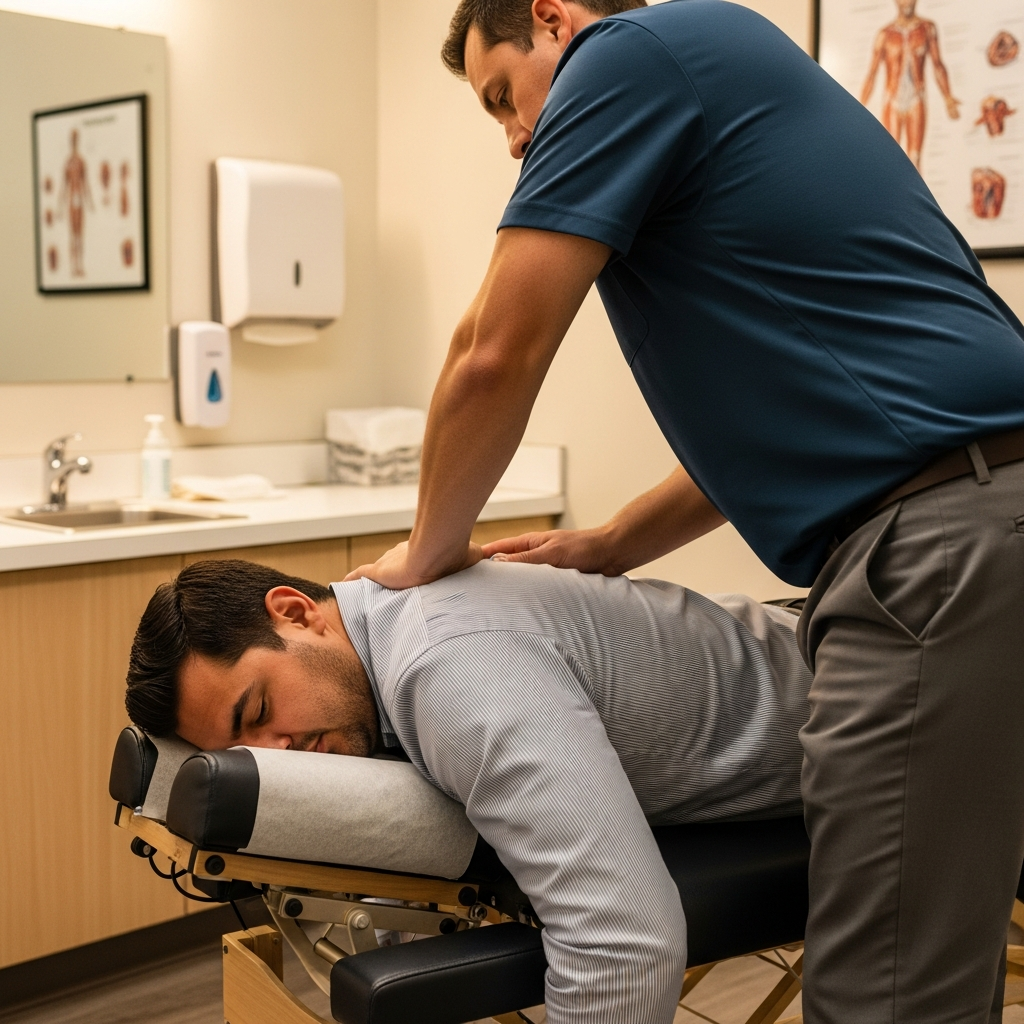
Picture this: It’s 6 months after your workplace injury, and you’re sitting in your car outside yet another appointment, staring at a stack of paperwork that seems to multiply overnight. Your back still hurts. Your employer keeps asking when you’ll be “back to normal.” Your regular doctor seems a little… lost when it comes to the workers’ comp forms. And somewhere in a filing cabinet, your case is just sitting there, moving at the speed of cold honey.
Sound familiar? If you’re navigating a workplace injury, that frustration is real – and honestly, it’s one of the most exhausting experiences a person can go through. Not just physically, but emotionally, financially, professionally. All of it hits at once.
Here’s the thing most people don’t realize until they’re already deep in the process: the type of clinic managing your care makes an enormous difference in how your recovery actually goes. Not just whether you get better, but *how fast*, how thoroughly, and how smoothly the whole complicated system works around you while you’re trying to heal.
Why Regular Care Often Falls Short
Your primary care physician is great. Genuinely. But they’re typically juggling hundreds of patients, and workers’ compensation cases come with their own language, their own rules, their own documentation requirements. OWCP – that’s the Office of Workers’ Compensation Programs – operates within a pretty specific federal framework, and if your provider isn’t fluent in that system… well, you can imagine how things go. Forms get rejected. Authorizations take forever. Treatment gets delayed. And you’re the one stuck waiting.
It’s a bit like taking your car to a general mechanic when what you actually need is someone who specializes in your exact make and model. They might figure it out eventually, but wouldn’t you rather go to the expert from the start?
That’s essentially what an OWCP-specialized clinic is. A place built specifically to understand your situation – medically *and* administratively.
What’s Actually at Stake Here
Long-term injury recovery isn’t just about getting out of pain (though obviously, that matters enormously). It’s about getting your life back. Your ability to work, to move, to sleep without waking up at 3am because something’s throbbing. It’s about not letting a workplace injury quietly rewrite the rest of your story.
And the reality is, how well you’re supported during recovery has a ripple effect on everything. Incomplete treatment leads to chronic issues. Delays in authorization lead to gaps in care. Gaps in care lead to setbacks. Setbacks lead to… more paperwork, more appointments, more time in that car outside yet another office.
Actually, that reminds me – studies consistently show that patients who receive coordinated, specialized care after workplace injuries return to function significantly faster than those bouncing between providers who aren’t communicating. It’s not a small difference. It can be months of your life.
What You’ll Learn Here
This article is going to walk you through exactly how OWCP clinics are built differently – and why that matters for someone dealing with a long-term recovery. We’re talking about things like how these clinics handle the documentation maze (so you don’t have to fight for every authorization), how their treatment approaches are designed not just for short-term relief but for actually restoring function over time, and how having a team that truly understands federal workers’ comp law sitting in your corner changes the whole dynamic.
We’ll also get into the kinds of injuries and conditions that tend to benefit most from this type of specialized care, and what you should actually be looking for – and asking about – when choosing a clinic to manage your case.
Whether you’re a federal employee who’s just starting this process and trying to figure out the right path forward, or you’ve been at this for a while and something just isn’t working the way it should… this is for you. You deserve care that’s coordinated, that’s knowledgeable, that treats you like a whole person and not just a claim number.
Because that’s the difference a specialized clinic makes. Not just better medicine – though you’ll get that too – but better *support*. At every step. For as long as recovery takes.
Let’s get into it.
What OWCP Actually Is (And Why It’s More Complicated Than It Sounds)
If you’ve never dealt with a federal workers’ compensation claim before, the whole system can feel a bit like showing up to a party where everyone else knows each other and you don’t know the rules. The Office of Workers’ Compensation Programs – OWCP for short – is the branch of the U.S. Department of Labor that manages work-related injury claims for federal employees. Postal workers, federal contractors, civilian government employees… if you got hurt on the federal job, OWCP is essentially your case manager, insurance adjuster, and gatekeeper all rolled into one.
Here’s where it gets a little counterintuitive. OWCP isn’t your employer, and it isn’t exactly your insurance company in the traditional sense. It’s more like a middleman with a lot of authority. They approve or deny treatment, they manage your wage replacement benefits, and – this is the part that trips people up – they have their own network of approved providers. You can’t just walk into any clinic and expect OWCP to foot the bill. The system has rules, and those rules matter enormously for your recovery.
The Difference Between Acute Care and Long-Term Recovery
Most people understand the early part of a work injury pretty intuitively. You get hurt, you go to the ER or urgent care, you get patched up. That’s acute care – it’s about stabilizing you, treating the immediate problem. Think of it like putting out a fire.
Long-term recovery is something else entirely. It’s the rebuilding process after the fire’s been put out – figuring out what got damaged, what needs reinforcement, and how to make sure the structure holds up going forward. For a lot of federal employees dealing with musculoskeletal injuries, chronic pain conditions, or repetitive stress injuries, this phase can stretch on for months or even years.
And honestly? This is where a lot of people get lost in the system. Acute care is relatively straightforward. Long-term recovery involves ongoing treatment authorization, regular documentation, functional capacity evaluations, vocational rehabilitation sometimes… it’s a lot to navigate when you’re also dealing with pain and uncertainty about your future.
Why Specialized OWCP Clinics Exist
This is the part that actually makes a lot of sense once someone explains it – OWCP-experienced clinics exist because the administrative side of federal workers’ comp is genuinely different from standard medical billing and care coordination. It’s not just paperwork. It’s a specific language, a specific process, and frankly, a specific mindset about what recovery looks like.
A provider who doesn’t regularly work with OWCP cases might be an excellent clinician but still inadvertently slow down your recovery by submitting the wrong forms, missing documentation requirements, or not understanding how to justify continued treatment to OWCP’s standards. The claims examiners reviewing your case need specific information presented in specific ways. It’s a bit like filing your taxes – you might know your financial situation perfectly well, but if you don’t know how the IRS wants that information organized, things go sideways.
Clinics that specialize in OWCP cases have built their entire workflow around these requirements. That means less back-and-forth, fewer delays in treatment approvals, and – ideally – a smoother path toward actual recovery rather than getting stuck in administrative limbo.
The “Maximum Medical Improvement” Concept
There’s a term you’ll probably encounter if you’re in long-term OWCP care: Maximum Medical Improvement, or MMI. It sounds a bit clinical and cold, but it’s actually an important concept to understand. MMI doesn’t mean you’re “fixed” or that you’ve reached perfect health. It means you’ve reached a point where further significant improvement isn’t expected with continued treatment.
Think of it like renovating an old house. There’s a point where you’ve done everything reasonable – new roof, updated plumbing, fresh paint – and additional work starts yielding diminishing returns. That’s the spirit of MMI.
Why does this matter? Because OWCP’s support and your treatment plan will look different before and after an MMI determination. Getting there thoughtfully, with documentation that accurately reflects your functional limitations, is something experienced OWCP clinics actively help you manage. It’s not a finish line so much as… a transition point. One that deserves careful attention.
Make the System Work *For* You, Not Against You
Here’s something most injured workers don’t realize until way too late – the OWCP system rewards people who are organized and proactive. It’s not enough to just show up to your appointments. You need to treat your own case like it’s a part-time job, because in a lot of ways, it is.
Start a dedicated folder – physical or digital, doesn’t matter – where you keep every single piece of paper related to your injury. Every visit summary, every prescription, every form your employer made you sign. You’d be shocked how often disputes come down to “we have no record of that” and suddenly you’re scrambling to prove something that happened eight months ago.
Don’t Skip Follow-Ups (Even When You Feel Fine)
This is the one that trips people up constantly. You start feeling better, life gets busy, and skipping that follow-up appointment feels harmless. It’s not. Your OWCP-authorized physician’s notes are essentially the running narrative of your recovery – and gaps in that narrative can be used to argue that your injury has resolved, even when it hasn’t fully.
Think of it like watering a plant. Miss a few sessions and things look okay on the surface. But the roots? The roots are suffering. Consistent documentation of your symptoms – even the subtle, nagging ones that don’t feel worth mentioning – builds a medical record that protects you long-term.
Actually, that brings up something important: tell your doctor everything. Not just the dramatic pain moments. Mention the stiffness when you wake up. The way you can’t lift your arm past a certain point anymore. The sleep disruption. These details matter enormously for determining what ongoing care you’re eligible for.
Ask Specifically About Functional Restoration Programs
Many OWCP clinics offer – or can refer you to – what’s called a functional restoration program. These are intensive, multidisciplinary programs designed for people whose injuries aren’t responding to standard treatment. Physical therapy, pain psychology, occupational therapy, all working together.
If you’ve been stuck in a frustrating loop of the same treatments without real progress, ask your provider directly: *”Am I a candidate for a functional restoration program?”* Don’t wait for someone to suggest it. Providers are managing a lot of patients, and sometimes you have to advocate for the next level of care yourself.
Understand What “Maximum Medical Improvement” Actually Means
MMI – maximum medical improvement – is a phrase that sounds more final than it sometimes is. It means your condition has stabilized to the point where significant additional improvement isn’t expected. But here’s the thing people miss: it doesn’t mean you stop receiving care. You can still need ongoing maintenance treatment, medications, or pain management even after an MMI determination.
When your clinic starts discussing MMI, ask your doctor to be specific about what continued care they’re recommending. Get it in writing in your visit notes. That documentation becomes the foundation for any future requests for treatment.
Build a Real Relationship With Your Care Team
Look, nobody wants to feel like a number – and in a busy OWCP clinic, it can sometimes feel that way. So do the small things that make a difference. Know your care coordinator’s name. Be on time. Come prepared with written notes about how your symptoms have changed since your last visit.
When you make it easy for your providers to help you, they genuinely can help you better. It’s not about being a pushover or being overly agreeable – it’s about creating conditions where your care team remembers your case, cares about your outcome, and goes the extra mile when it counts.
When Something Feels Wrong, Say So
If a treatment isn’t working, say something. If you’re having a reaction to a medication, report it immediately. If you feel like your concerns are being dismissed… find a way to escalate within the clinic, or ask about a second opinion. OWCP does allow for second opinions in certain circumstances.
Your recovery isn’t a passive experience. The clinics, the paperwork, the appointments – they’re all tools. And like any tools, they only work as well as the person using them. You know your body better than anyone in that exam room. Trust that. Use it.
When Progress Stalls (And It Will)
Here’s something most clinics won’t tell you upfront: recovery rarely moves in a straight line. You’ll have weeks where everything clicks – the pain is down, you’re sleeping better, you’re starting to feel like yourself again. And then, seemingly out of nowhere, you plateau. Or you have a bad week. Or the injury that was “almost better” suddenly flares up after a long car ride.
This isn’t failure. It’s just how the body works. But it’s genuinely discouraging, and pretending otherwise doesn’t help anyone.
The real solution here isn’t cheerleading – it’s documentation. Track your symptoms, your activity levels, your sleep, even your stress. Patterns emerge that your care team can actually use. A plateau often isn’t mysterious once you look at the data. Maybe you’ve been overcompensating with the opposite side of your body. Maybe work activity has quietly crept back up. Maybe inflammation is responding to something outside the clinic. You can’t fix what you can’t see.
The Paperwork Problem Is Real
Let’s be honest – OWCP cases come with a mountain of bureaucratic complexity that can grind your care to a halt if you’re not careful. Prior authorizations get denied. Referrals get lost. Treatment plans require resubmission. And while your clinical team handles a lot of this, you are ultimately the one living inside your own case.
The workers who navigate this best tend to do a few things consistently. They keep copies of everything – every form, every denial letter, every approval. They follow up. They ask questions like “has that authorization come through yet?” instead of assuming things are moving. They build a relationship with the case manager rather than treating them like an obstacle.
Actually, that last one matters more than people realize. Case managers have enormous influence over the pace of your care. Being a respectful, organized, communicative patient – not a pushover, but someone who’s clearly engaged – genuinely changes how quickly things move. It’s not fair that it works that way. But it does.
When You and Your Doctor Don’t See Eye to Eye
Sometimes the treatment plan your OWCP-authorized physician recommends doesn’t match what you expected, or what you’ve read, or what a friend told you worked for their injury. This creates real friction – and a lot of injured workers just quietly comply without speaking up, which helps nobody.
You’re allowed to ask questions. You’re allowed to say “I don’t understand why we’re doing this” or “the last time we tried this, it made things worse.” A good OWCP clinic physician will engage with that. If they don’t? That’s important information too.
Getting a second opinion within the OWCP system is possible, though it requires navigating some hoops. If you feel your concerns are being dismissed repeatedly, document those conversations and talk to your case manager about your options. Advocacy for yourself isn’t the same as being difficult.
The Mental Health Piece Nobody Wants to Talk About
Chronic pain does something to a person. It wears you down in ways that go way beyond the physical – affecting your sleep, your relationships, your sense of identity, your ability to imagine a future that doesn’t hurt. Depression and anxiety are genuinely common among people in long-term injury recovery, and they’re not a sign of weakness or exaggeration.
Here’s what makes this complicated in an OWCP context: mental health treatment requires its own authorization process, and many injured workers don’t realize it’s available to them or feel uncomfortable bringing it up. Bring it up anyway. Psychological support isn’t a detour from recovery – it’s often what makes physical recovery actually stick. Pain that’s being amplified by depression responds differently to treatment than pain that isn’t.
If your clinic hasn’t mentioned this, ask directly: “Is mental health support something that can be part of my treatment plan?”
The Return-to-Work Pressure Cooker
Pressure to return to work before you’re ready is one of the most common – and most damaging – things that derails long-term recovery. Sometimes that pressure comes from employers. Sometimes from the system itself. Sometimes, honestly, from inside you, because you miss your income, your routine, your sense of purpose.
Returning too early is one of the most common causes of reinjury. Full stop.
Work with your clinical team on a functional capacity evaluation if there’s any ambiguity about your readiness. Get the return-to-work plan in writing, with specific restrictions clearly spelled out. And if your employer asks you to do something outside those restrictions? That’s not a gray area – that’s a problem that needs to be escalated immediately, before you end up back at square one.
What to Actually Expect (Honest Talk)
Let’s be real for a second – recovery from a workplace injury is rarely a straight line. You’re not going to walk into your first OWCP clinic appointment and walk out feeling like a new person. That’s just not how this works, and anyone who tells you otherwise isn’t doing you any favors.
Most people feel a mix of relief and frustration in those early weeks. Relief because finally, someone is taking their injury seriously and putting together an actual plan. Frustration because… it’s slow. Progress can feel invisible some days. You might have a great week followed by a setback, and that’s genuinely normal – not a sign that something’s gone wrong with your treatment.
The First Few Months: Building the Foundation
Think of early treatment like renovating a house. Before anything looks better, things often get messier. You’re getting evaluated, imaging gets ordered, specialists get consulted. There’s a lot of groundwork happening that doesn’t feel like “progress” yet.
Typically, the first 30 to 90 days are about diagnosis, stabilization, and getting the right treatments lined up. Your care team is essentially gathering information – figuring out what’s actually happening in your body, not just treating symptoms blindly. Physical therapy, if it’s part of your plan, often starts to show meaningful results around the 6 to 8 week mark. Meaningful being the key word there – not dramatic, not complete, but real, measurable improvement.
Don’t be surprised if your first few PT sessions feel like they’re barely doing anything. That’s normal too.
Realistic Timelines for Common Injuries
This is where people’s expectations often go sideways, so let’s just lay it out honestly.
Soft tissue injuries – sprains, strains, muscle tears – can take anywhere from 8 weeks to 6 months depending on severity and how consistently treatment gets followed. Back injuries are notoriously unpredictable. Some people respond beautifully to conservative treatment within a few months. Others need longer. Surgeries, when they’re necessary, typically involve a recovery arc of 6 months to over a year before you’re back to full function. And nerve-related injuries? Those can be genuinely slow healers. Nerves don’t exactly rush.
The factors that influence your timeline are partly medical – the injury type, your age, your overall health – and partly circumstantial. Things like how quickly your OWCP claim gets approved, whether there are delays in authorization for treatments, and how consistently you’re able to attend appointments all play a role. That last part is worth acknowledging: life happens, and missing appointments can genuinely push timelines back.
What Your Role Looks Like
Here’s something that might be a little uncomfortable to hear: your care team can do a lot, but they can’t do it for you. Recovery is a two-way street. The exercises your physical therapist gives you for home? They matter. A lot. The appointments you’re tempted to skip when you’re having a “good day”? Show up anyway.
That doesn’t mean pushing through pain that feels wrong – actually, one of the most important skills you’ll develop is learning the difference between productive discomfort (the kind that means you’re rebuilding) and pain that’s a warning signal. Your providers will help you understand that distinction. Don’t hesitate to ask them about it directly.
Keep a simple log if you can. Note your pain levels, what makes things better or worse, any new symptoms. This information is genuinely useful at your appointments and helps your care team adjust your treatment plan.
The Bigger Picture
Long-term injury recovery through an OWCP clinic isn’t just about getting you out of pain – it’s about getting you back to function. That might mean returning to your previous job. It might mean working with vocational rehabilitation if that’s not possible. Those conversations, if they’re needed, usually happen further down the road once your medical picture is clearer.
What you can count on is that your clinic team is tracking your progress, communicating with your claims representative, and adjusting your plan as you go. You’re not just getting treated and forgotten.
The most important thing? Give it time – real time – before deciding it’s not working. Recovery has quiet phases where healing is happening even when you can’t feel it. Stay consistent, stay honest with your providers about how you’re feeling, and trust the process even on the frustrating days.
Especially on those days.
There’s something worth saying about the long road that federal workers walk after a serious injury – and it’s this: you don’t have to figure it out alone. The system can feel overwhelming, the paperwork feels endless, and some days it probably feels like the bureaucracy was designed specifically to wear you down. (It wasn’t, but we understand why it feels that way.)
What OWCP-aligned clinics actually do – at their best – is stand beside you through all of it. Not just for the first few appointments, but for the months and sometimes years it takes to genuinely heal. That means coordinating your care so nothing falls through the cracks, documenting your progress in the language that OWCP actually needs to see, and keeping your treatment moving forward even when the administrative side of things gets complicated. Which, let’s be honest, it usually does.
Your Recovery Deserves More Than Just Symptom Management
Real, lasting recovery isn’t just about getting out of pain – though obviously that matters enormously. It’s about getting *back*. Back to work if that’s possible, back to your family without limitations holding you back, back to feeling like yourself again. That takes a team that understands the physical side *and* the procedural side of workers’ comp care. The two are more connected than most people realize. A missed deadline or an improperly coded treatment note can derail a recovery plan just as surely as skipping physical therapy can.
The clinics that do this well treat you as a whole person, not a case number. They know your name. They know your job. They actually understand what your body needs to do to return to that job safely.
You’ve Already Done the Hard Part
If you’re reading this, you’ve probably been dealing with something difficult for a while now – a workplace injury that’s taken more from you than just your physical health. It chips away at your confidence, your routine, your sense of normalcy. That’s real, and it deserves to be acknowledged.
Getting the right support is actually the next step, not some giant leap. It’s just… a phone call. A conversation. Asking someone who knows this world to take a look at where you are and help you figure out where to go next.
We’re Here When You’re Ready
If you’re a federal employee navigating an OWCP claim – whether you’re just starting out or you’ve been stuck somewhere in the middle of the process for longer than you’d like – we’d genuinely love to talk with you. Not to push you toward anything, not to make promises we can’t keep, but just to listen and point you in the right direction.
Sometimes that’s all it takes to get things moving again.
Reach out to our clinic whenever you’re ready. There’s no pressure, no judgment, and no complicated intake process standing between you and someone who actually understands what you’re going through. We’ve helped federal workers at every stage of recovery, and we know that every situation is a little different – yours included.
You worked hard in that job. You deserve support that works just as hard for you.